
Trump's Executive Orders on Elections

Votebeat asked 31 experts in election law and administration about the likelihood that Trump sends troops to the polls, candidates challenge the election results, and more.
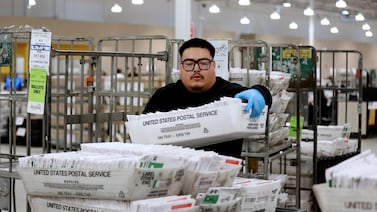
The Supreme Court decision blocking mail ballot restrictions allows election officials to focus on planning for the November election.
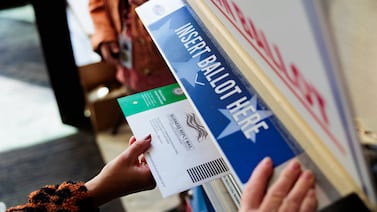
The Supreme Court ruling marked the culmination of a frenzied, monthslong legal battle.
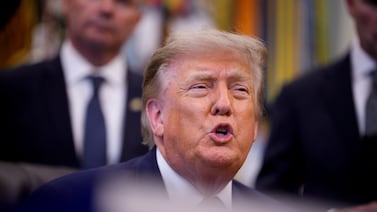
A majority of justices declined to allow the U.S. Postal Service to put new restrictions in place for November.

An anonymous whistleblower says it could prevent millions from receiving mail ballots
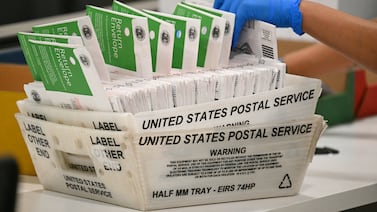
Election experts question whether it’s possible to comply with the Postal Service’s new mail ballot rules by November.
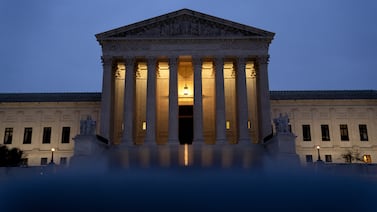
Monday’s Supreme Court ruling doesn’t end a messy legal fight over Trump’s efforts to restrict mail ballots for the midterms.

The ruling throws a new wrench in the president’s plans to involve the U.S. Postal Service in absentee voting this November.
The U.S. Postal Service has warned that time is growing short to make changes for the midterms.
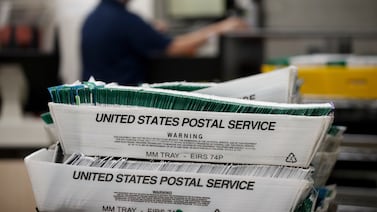
Federal officials are seeking to quickly stay a ruling blocking Trump’s executive order, even as another judge separately rules the Postal Service can’t proceed with carrying it out.

The judge ruled that the federal government does not have the authority to create centralized lists of adult citizens or decide who can vote by mail.

Federal efforts to create additional voter eligibility checks could be difficult to put in place before midterm.
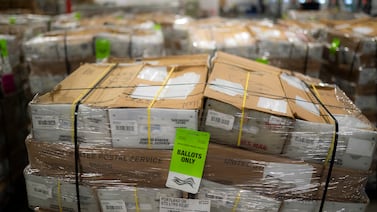
Draft rules would require states to submit voter and barcode data before federal mail ballots are accepted.
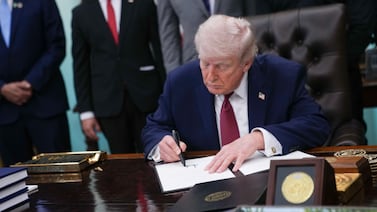
The ruling leaves the order in place, but allows opponents to challenge it again if federal agencies act.
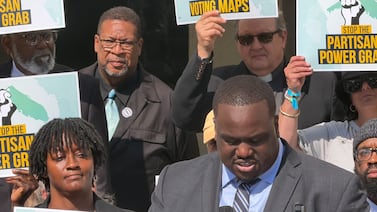
Last-minute redistricting is forcing primaries to be rescheduled and confusing voters, while implementation of Trump’s mail-voting executive order is up in the air.
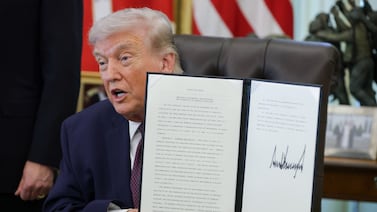
A single provision shows the logistical strains and contradictions election officials must work with
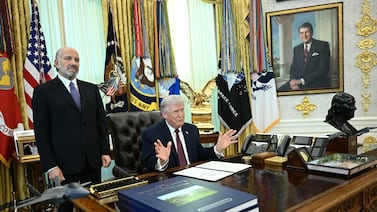
Even should it pass court muster, Trump’s recent directive on mail voting doesn’t specify how the lists it mandates would be created.
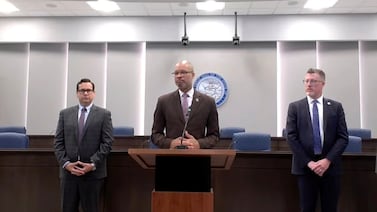
The lawsuit says the president is trying to usurp states’ authority to run elections.
Much of Trump’s first executive order on elections has been blocked in court. This one, too, is likely to be legally challenged.
States are adopting new election policies, often in direct response to Trump’s calls.