
How Elections Work
The mechanics of how elections work in the United States are often very technical and specific. Here's what you need to know.
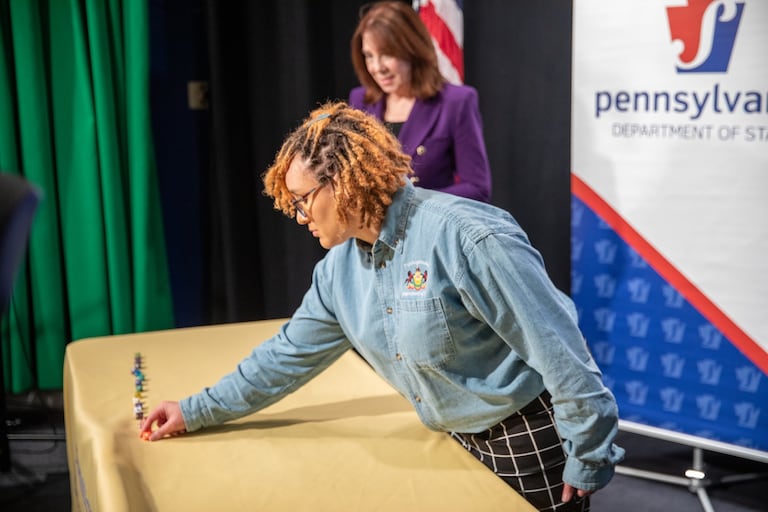
Officials in all 50 states conduct post-election audits to verify that election results are accurate and procedures were followed properly.

Election officials throughout the country rely on a voter-verified paper trail. But the president’s supporters are pushing for eliminating machines, which could undermine election security and efficiency.

From aging touchscreens to calibration problems, voting machine complaints are a familiar feature of elections. Here’s how officials investigate them.

The state’s unique elections could delay the outcome of a hotly contested U.S. Senate race.

Officials in all 50 states conduct post-election audits to verify that election results are accurate and procedures were followed properly.
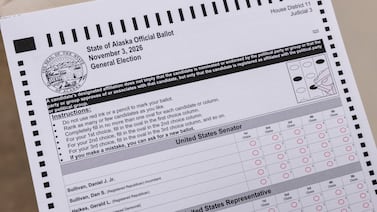
Alaska’s unusual ranked choice voting process makes it less likely confusion over two Dans will matter in a key Senate race.

The first batch of election results will drop around 8 p.m., but full results typically take days.
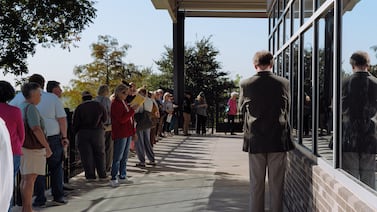
The typically low-key process has come under scrutiny since Jan. 6 rioters sought to halt certification of the 2020 presidential election.

A state-by-state guide to poll-closing times and how fast ballots are counted.
From aging touchscreens to calibration problems, voting machine complaints are a familiar feature of elections. Here’s how officials investigate them.
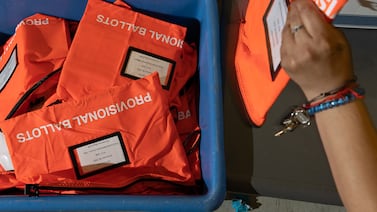
If your name does not appear on the list of registered voters, you can cast a provisional ballot. Here’s how that process works.

How to vote early in person, how to vote by mail, key deadlines, and more.
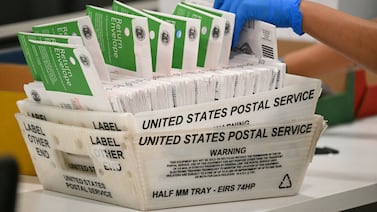
Election experts question whether it’s possible to comply with the Postal Service’s new mail ballot rules by November.