Votebeat is a nonprofit news organization reporting on voting access and election administration across the U.S. Sign up for Votebeat Wisconsin’s free newsletter here.
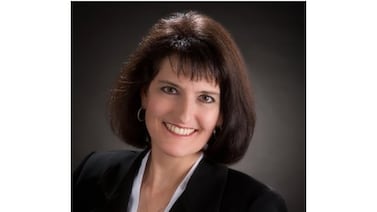
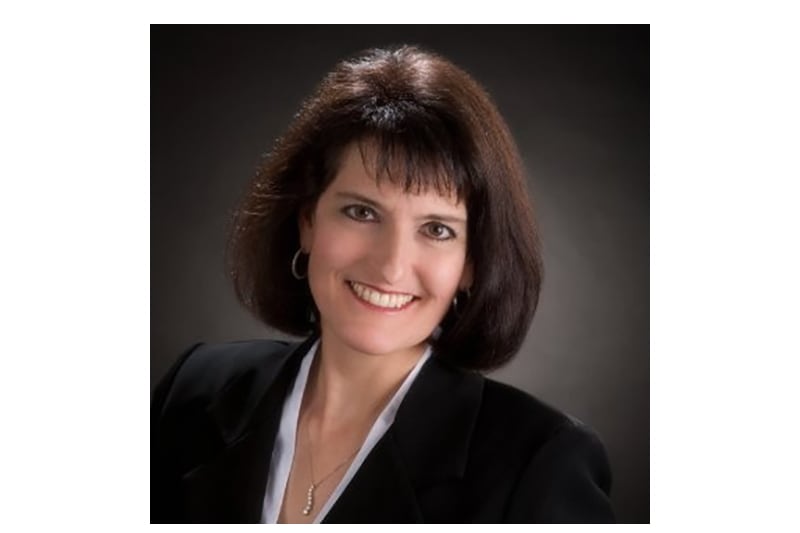
On the evening before Election Day, Wisconsin Rapids City Clerk Jennifer Gossick came home from work and told her husband, Lee, that everything was set for the election.
For weeks, she had scrupulously overseen the city’s many election tasks, from recruiting poll workers to managing early voting, accounting for all eventualities.
But even as she prepared for Election Day, Gossick was dying of cancer she didn’t know she had.
Her failing health was clear to those closest to her: She would tire after taking several steps, having to sit and bend at the waist just to get a clear breath. But Gossick wouldn’t consider — or even discuss — her health until the November election was done, she told her husband.
She collapsed the morning of Election Day at her home. She died that afternoon at a local hospital.
“She worked every day up until the election to make sure they would run meticulously, and then her body gave out,” Wisconsin Rapids Mayor Matt Zacher said, calling it a “dedication to the integrity of elections in our country.”
Images taken that day at the hospital showed an advanced version of cancer, spread across her body and closing 80% of her lungs.
Her husband, Lee Gossick, said that the doctor who analyzed her images told him, “How this girl kept living is beyond my comprehension.”
Interviews with Gossick’s colleagues and loved ones reveal one likely explanation: She loved her work and her hometown of 19,000 people on the Wisconsin River, where voters, walking from church to the closest 2nd Street bar to watch the Green Bay Packers play, would recognize her as both their clerk and their former real estate agent.
That she died on Election Day, said Zacher, was a little poetic.
Gossick became successful real estate agent, clerk in hometown
Lee Gossick first saw Jennifer leaving a Dallas church a couple of decades ago. Stunned by her looks, he recalled, he gave her hands a once-over, then vocalized his surprise: “What? No wedding ring?” She gave him a grin.
They became a couple, then tied the knot in Wisconsin Rapids in 2009, partnering as real estate agents in her hometown. Nine years later, as she was getting tired of her job, the city’s clerk position became vacant.
Lee Gossick encouraged his wife to apply, and gave then-Mayor Zach Vruwink a call to encourage him to interview her. Vruwink knew the Gossicks from networking with community stakeholders during his mayoral campaign, he said, and her passion for the city stood out to him.
She got offered the job over several other applicants, Lee Gossick said, and accepted it after a weekend of considering if it was the right kind of work for her.
After some time, Lee Gossick said, his wife thanked him for arranging the interview.
“It’s a tough job,” he said. “But she really liked her job.”
Vruwink said it was apparent that Gossick’s passion carried through to her final moments on earth.
“It’s a critical function, and to have somebody’s dedication and passion all the way through all the while fighting an illness is just quite incredible,” he said.
Wood County Clerk Trent Miner, who became county clerk right around when Gossick became clerk in the county’s biggest city, recalled Gossick’s dedication to her role and her desire to improve elections in Wisconsin Rapids. She was a good clerk, he said, determined to make sure every last detail was correct.
On Election Day, Miner stepped in to make sure the Wisconsin Rapids election ran smoothly with help from the city’s deputy clerk. It did, with no issues reported. Miner said he’s still helping the city finish post-election tasks, which otherwise would have been performed by Gossick. Miner carefully followed the steps Gossick had set up for the day.
Lee Gossick saw his wife’s command on Election Day first hand as a poll worker who worked under her supervision. During those shifts, he said, she was kind and generous but he didn’t get preferential treatment.
“She didn’t favor me like a husband,” he said. That didn’t surprise him. His wife was a “diehard patriot,” he said, and wouldn’t accept anything less than excellence.
‘Incredibly challenging’ job makes it easy to lose track of health
Gossick’s death devastated her community and raised difficult questions about the personal toll of running elections — a job that has become increasingly demanding even as many of the people doing it struggle to balance their professional and personal lives.
“It’s an incredibly challenging and stressful and high-demand job in a regular year,” said Cathy Darling Allen, the former chief election official of California’s Shasta County, who left the post after she got diagnosed with heart failure due to a congenital birth defect that stress was exacerbating. Federal election years, she said, are particularly difficult to manage.
Research suggests the strain is widespread. A 2024 national survey of local election officials found that just 34% felt they could balance their work and home responsibilities, down from 54% four years earlier. Another study of election workers found that nearly nine in 10 election directors reported increased job-related stress since starting their positions.
It’s a struggle Darling Allen empathizes with. The people who become the most successful election administrators, she said, “are the people who fall in love with the process and who are profoundly patriotic.”
These clerks become laser-focused on elections and can lose track of their health, she said. For Darling Allen, the answer to staying healthy was to step away from elections, a decision that she was “so sad” to make.
For those who stay in the field, Darling Allen said, she hopes better election funding and resources could allow them “to take a breath, take a pause, and check in with themselves and make sure they’re going to their regular checkups for crying out loud.”
Zacher, the current Wisconsin Rapids Mayor, told Votebeat last Friday that it was apparent that Gossick wasn’t in good health. While he didn’t understand the full scope of her decision making, he said Gossick was “determined to take care of it herself.”
“She didn’t talk about it at work,” he said. “She was going to make it through these elections and then see where things are.”
Election Day in Wisconsin Rapids was ‘perfect’
Jennifer Gossick was a stickler for details, especially on Election Day.
At the end of every election, Wisconsin clerks must reconcile the number of ballots cast with the number of voters who checked in at the polls. The numbers don’t always match on the first try, and Gossick was determined to account for every discrepancy, even if it meant working late into the night.
“She was very conscientious of her job,” Lee Gossick said. “She had to have it perfect.”
At around 9:30 p.m. on Election Day, a chief inspector at one of the city polling places called Lee to offer his condolences. The inspector asked him to sit down. “So what the heck, I sat down,” he recalled.
The chief inspector explained that he had been working with Jennifer Gossick for quite some time, and that there was always one polling place mistake on Election Day — or two, or three, or four — that kept them working into the early morning hours to find what was wrong with the count.
This time, Lee Gossick said, the chief inspector wasn’t calling to try to solve a problem.
“He said, ‘You won’t believe this, but this was a busy election, and we all went home at 9:15 p.m. The first time we counted it, it was perfect,’” Lee Gossick said. “This was the first time it was perfect.”
Alexander Shur is a reporter for Votebeat based in Wisconsin. Contact Alexander at ashur@votebeat.org.