Votebeat is a nonprofit news organization reporting on voting access and election administration across the U.S.
This news analysis was originally distributed in Votebeat’s free weekly newsletter. Sign up to get future editions, including the latest reporting from Votebeat bureaus and curated news from other publications, delivered to your inbox every Saturday.
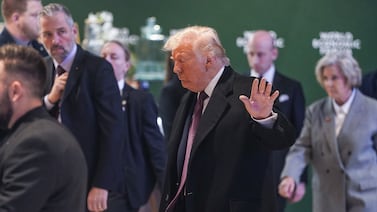
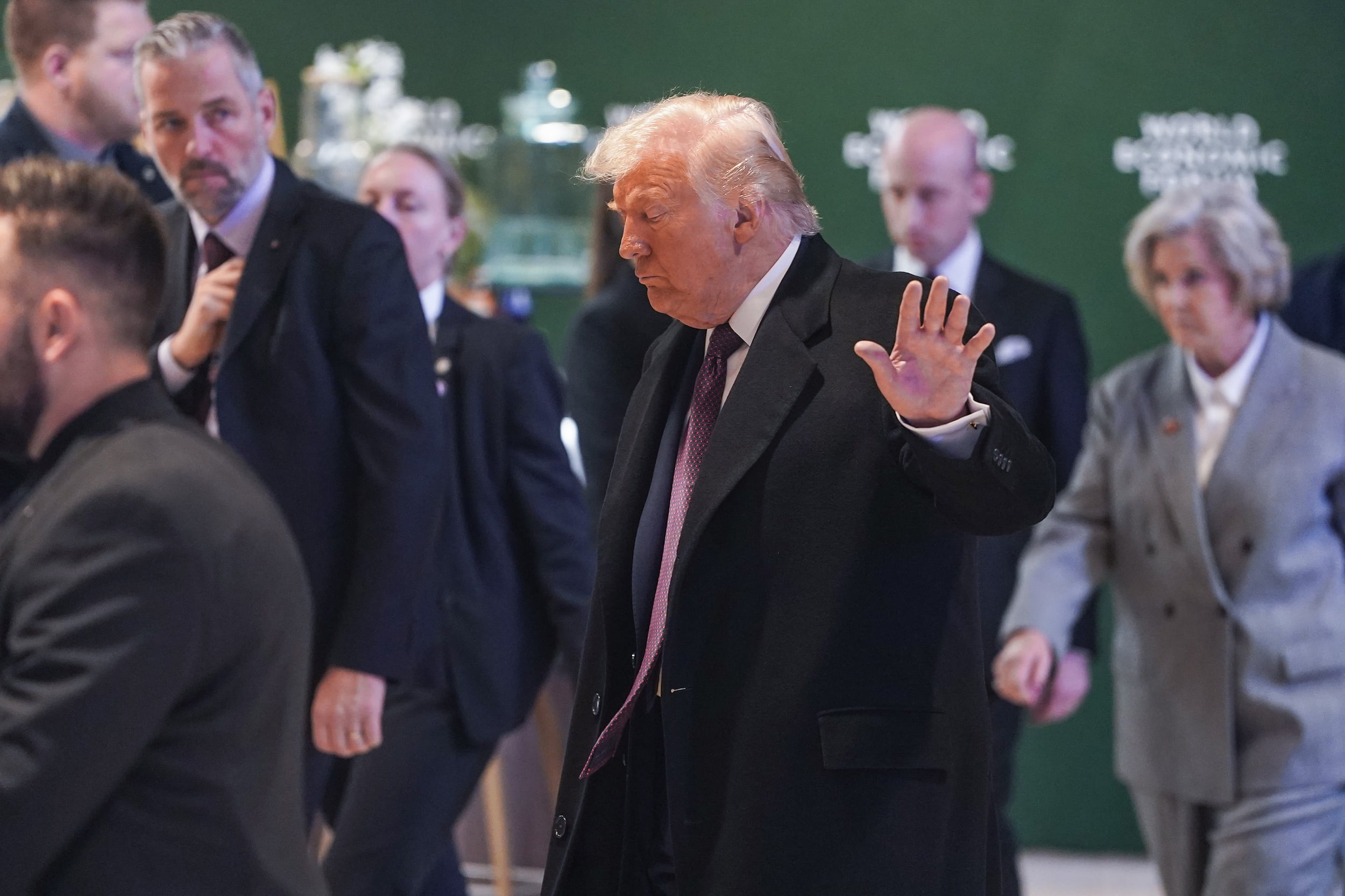
Earlier this month, President Donald Trump floated the idea of canceling the 2026 midterm elections, drawing widespread attention and concern even as White House officials later dismissed the remarks as facetious.
But election experts consistently agree that Trump has neither the legal authority nor the practical ability to cancel elections. And state and local election officials consistently say they will carry out the elections they’re legally required to run.
The election system is under real strain, and bad-faith efforts to undermine it are serious. But after talking with local election officials, lawyers, and administrators across the country, I don’t see evidence that upcoming elections are at realistic risk of not happening at all. Elections happen because thousands of local officials follow state and local law that mandates them — and history shows they’ve done so before, even under immense pressure. The greater danger isn’t no election, but one that’s chaotic, unfairly challenged, or deliberately cast as illegitimate after the fact.
Stephen Richer, the Republican former recorder in Maricopa County, Arizona, said the idea that a president could simply halt or meaningfully cancel an election misunderstands how elections function on the ground. The system, he said, is “made up of so many disparate actors” — thousands of local officials, courts, vendors, and administrators operating under different authorities and timelines. Even if there were a coordinated attempt to get these people not to go through with the election, “you’ve got to figure at least half of those people aren’t big fans of the president, and many of the rest are on autopilot regardless of what they think of the president.”
Some election processes are fixed by law and timing. Military and overseas ballots, for example, must be sent on a specific schedule — a deadline Richer described as “an immutable deadline, like gravity.” Any attempt to disrupt that selectively would quickly become obvious. “How absurd would it be that one county got ballots and the next one didn’t?” he said, predicting “a gazillion lawsuits” and court orders compelling officials to move forward.
Richer also pointed to the scale of U.S. election administration: more than 9,000 jurisdictions and more than 90,000 polling locations nationwide. “You are not going around and shutting those down,” he said. He noted that even voter-intimidation efforts would face immediate legal challenges and injunctions, while plenty of voters would have cast ballots via other means (e.g., early or mail voting) anyway.
That assessment is echoed by David Becker, the executive director of the Center for Election Innovation and Research, who speaks regularly with local election officials. (When we spoke, he was driving to a conference for Colorado election officials — and had just come from a conference of 300 officials in Texas.) Becker said nearly 1,500 local officials across 47 states have participated in his monthly informational sessions, which he’s held since Trump put out his executive order last March, and none of them have suggested canceling the election or violating state law.
“Every single one of them is committed to putting on the best election they possibly can,” Becker said. Even under pressure, officials aren’t signaling they’ll stop. “They are getting it done,” he said, adding that if support doesn’t come from the state, “they will band together and do it themselves.”
But state election officials aren’t backing down, either. Nevada Secretary of State Cisco Aguilar, a Democrat, says elections will proceed as planned regardless of what Trump might say. The academics and media stars gaining popularity and attention for saying otherwise are being “disingenuous” and “dangerous,” he said.
Courts have also played a critical role when local officials have threatened to overstep their authority. In 2020, even light suggestions that Trump might delay the election to accommodate COVID were met with outrage. After the 2020 election, judges made clear that certification is not discretionary and ordered officials to follow election law and move the process forward, even amid intense political pressure.
Those same state and local laws remain in place today. Courts and election offices are also better positioned than they were four years ago, with legal strategies drafted, training in place, and judges already familiar with these arguments. Across the country, clerks and secretaries of state describe updating contingency plans, consulting attorneys, and stress-testing procedures much as they would for a natural disaster or cyberattack.
If you’re worried about what lies ahead, election officials say there are meaningful ways to respond — and that spreading fear isn’t one of them. Richer said the bigger danger now is renewed distrust of election results. That distrust makes it easier for those in power to make bad-faith attempts to twist the math after votes are cast.
His advice is straightforward: “Continue being a repository for facts and truth about election administration, and kindly and sensitively inject those into conversations that you are a part of if you hear something you know to be wrong.” He added, “Don’t be dismissive. It never works.” And, he said, “you are responsible for the false information you spread.”
Aguilar said that academic voices predicting doom “don’t understand the nuances” of state and local law and that voters should be skeptical of them. Those who want better information should go to their local and state elections offices.
There’s also a risk that continually framing elections as likely not to happen — or as already lost — could have the opposite of the intended effect, discouraging participation rather than protecting democracy. If you’re concerned about what might happen in your county, there are concrete ways to help now: sign up to be a poll worker, volunteer to help register voters, offer your business or community space as a polling location, or donate to organizations preparing to defend election laws and certification in court.
Elections don’t happen just because people assume they will. They happen because people — especially at the local level — show up and do the work.
Jessica Huseman is Votebeat’s editorial director and is based in Dallas. Contact Jessica at jhuseman@votebeat.org.